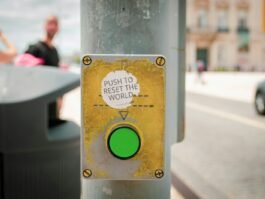

Imagine a world where bias, discrimination, and prejudice no longer shaped our choices, relationships, or communities. A world where people were judged not by the color of their skin, their gender, religion, or background, but purely by who they are. What would that world look like? And what would it take for us to get there?
Prejudice, in its many forms, has influenced humanity for centuries. It divides, isolates, and fuels conflict. Yet, it’s not always overt—it can hide in subtle assumptions, unconscious biases, and societal norms. Erasing it entirely may seem impossible, but pondering the “what if” can reveal a lot about ourselves and the world we want to build.
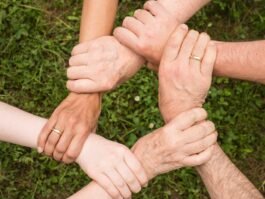
In a world without prejudice, communities could flourish on empathy and understanding. Schools would be places of true inclusion, workplaces would value contribution over appearance, and societies could collaborate more effectively toward common goals. Relationships, both personal and professional, might become richer, freer from judgment and assumption.
But it’s worth asking: even if prejudice disappeared, would humanity automatically live in harmony? Removing bias alone might not eliminate fear, misunderstanding, or conflict—but it would clear the path for more meaningful dialogue and connection. The underlying human capacity for empathy, curiosity, and cooperation would finally have the room to grow.
So, how do we get closer to this ideal? Awareness is the first step. Educating ourselves about our own biases, listening to voices different from our own, and questioning assumptions can slowly dismantle prejudice. Community initiatives, inclusive policies, and personal accountability all play a role. Change doesn’t happen overnight, but imagining the possibility of a world without prejudice can inspire small actions that ripple outward.
Discussion Questions:
-
What small steps could you take today to reduce prejudice in your own life?
-
Do you think a world without prejudice is truly possible, or is it an ideal we can only strive toward?
-
How might communities, schools, and workplaces look different if bias was eliminated?
Erasing prejudice isn’t just about imagining a better world—it’s about actively participating in its creation. Every thoughtful conversation, every act of empathy, and every challenge to unfair assumptions is a step toward that possibility.
What do you think—how would your life, and the world, change if prejudice no longer existed? Join the discussion and share your thoughts below.