
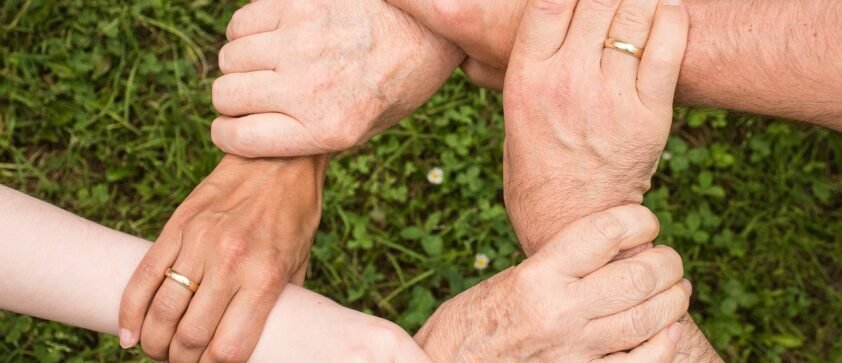
What if, for the first time in human history, the world lived in peace? No wars, no conflicts, no borders defined by fear or division—just cooperation, understanding, and harmony. Could humanity achieve such a vision, or is conflict an inseparable part of our nature?
Global peace has long been a dream of philosophers, leaders, and everyday people. It’s easy to imagine the benefits: communities thriving without the devastation of war, resources devoted to education and innovation rather than destruction, and a sense of security and hope for every individual. But turning this dream into reality is far more complex than simply wishing it so.
Peace begins with understanding. It grows from empathy, dialogue, and a willingness to see the world through someone else’s eyes. If nations, communities, and individuals prioritized listening over fighting, compromise over control, and compassion over suspicion, the foundations for global peace could slowly emerge.
Yet, it also requires action. Peace is not passive—it demands effort, courage, and commitment. Conflict will not vanish simply because we hope it away. Every small act of kindness, every bridge built between cultures, and every step to address injustice contributes to a larger movement toward harmony.
Imagine a world where our energies are focused on creation rather than destruction. Science, art, and human connection could flourish in ways we can scarcely imagine. The challenge is daunting, but the potential rewards are immense.
Discussion Questions:
-
Which current conflicts could realistically be resolved through dialogue and empathy?
-
How can individual actions contribute to a more peaceful world?
-
Is true global peace possible, or is it an ideal to strive toward without expecting perfection?
Peace may feel like a distant dream, but every act of understanding and compassion brings it closer. What would you do today to help make a more peaceful world? Share your ideas and join the conversation below.